
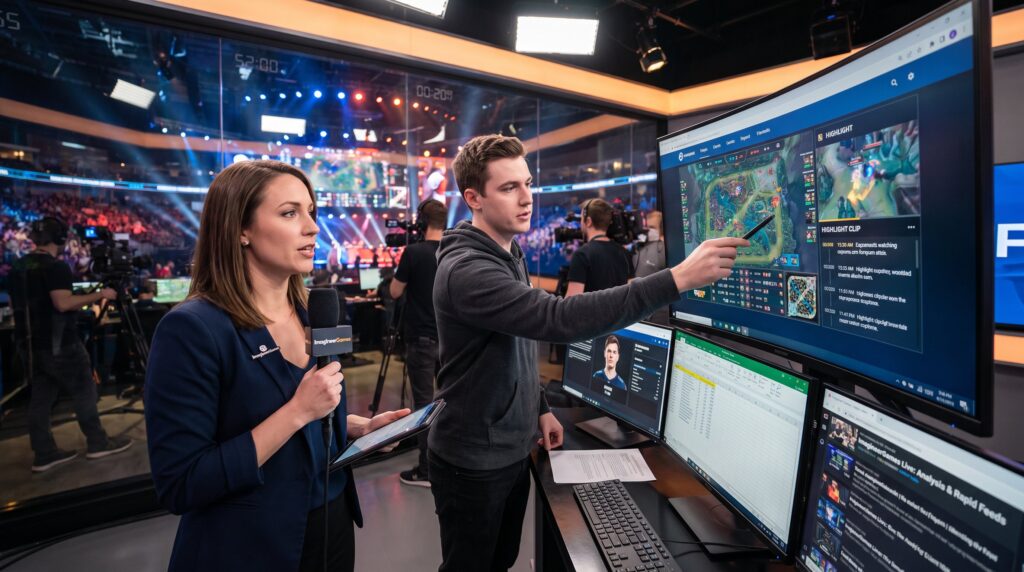
How ImagineerGames Covers Competitive Gaming and Esports begins with practice, curiosity, and studio-sized resources rather than a full newsroom. The site mixes firsthand competitive play, creative projects, and occasional event writeups to serve gamers who want practical guides, nostalgic features, and approachable analysis. This piece explains what readers should expect from ImagineerGames’ coverage in 2026, how the team chooses topics, and where the site fits among specialist esports outlets.
Table of Contents
ToggleKey Takeaways
- ImagineerGames covers competitive gaming by blending firsthand play experience with community insights to create practical, approachable esports content.
- The site focuses on accessible competition across PC, Nintendo, consoles, and mobile games, emphasizing creative play over exhaustive league tracking.
- Readers receive clear, actionable guides developed through hands-on testing and real gameplay data, enhancing their understanding of game metas and strategies.
- ImagineerGames maintains transparency by citing reputable sources, openly correcting errors, and signaling when content is based on personal experience.
- Rather than a full esports news outlet, ImagineerGames serves hobbyist gamers with niche insights, combining personal insight with researched context for meaningful competitive guidance.
Our Editorial Approach To Esports Coverage
Fact first: ImagineerGames treats esports as one strand of a broader gaming practice, not a dedicated esports beat. The site operates like a small creative studio: posts are often authored by the creator or a tight-knit group, and editorial decisions reflect hands-on experience rather than a layered editorial policy.
This means readers get a mix of personal insight and researched context. For example, coverage often springs from the author’s own competitive sessions or studio projects, so pieces emphasize what players can try next, common pitfalls, and moments that taught the writer something tangible. That voice appeals to hobbyists and smaller competitive scenes.
How stories are chosen: topics rise from three main triggers, recent gameplay discoveries, community conversations, and project needs for the studio. A discovery might be a meta shift in a popular indie title: community conversation could be a forum thread about Nintendo matchmaking: project needs can produce deep-dive guides used to support the studio’s own learning initiatives.
Limitations and transparency: there is no public, formalized editorial policy published on the site. To set expectations, ImagineerGames signals its approach inside posts, authors note first‑person experience, link to sources, and correct factual errors when found. For comparison, structured editorial rules used by larger outlets exist elsewhere: these serve as benchmarks but aren’t mirrored here. The result is candid, practical coverage that favors clarity over exhaustive institutional process.
What We Cover: Games, Leagues, Players, And Meta
Answer up front: ImagineerGames focuses on PC, Nintendo, consoles, and mobile titles with a tilt toward creative play and accessible competition rather than comprehensive league tracking. Coverage includes game-specific guides, platform features, and occasional profiles of players or teams when they illustrate a larger lesson.
Concrete scope: readers will find content on Nintendo titles, Minecraft creativity, PC shooters, and console retrospectives. When the site addresses larger tournaments it emphasizes narrative and context, why a match mattered, what a meta change felt like in play, rather than minute-by-minute event logs. For instance, a feature on high-tier FPS design would pair practical tips with design analysis to help a player adapt.
Not a full league directory: ImagineerGames does not maintain exhaustive listings of pro circuits like the full schedule of League of Legends regional leagues or continuous Valorant event coverage. For official league resources, readers are directed to primary hubs such as the official League of Legends esports portal, which consolidates schedules and standings.
Bridges to the community: the site links to community hubs and competition growth narratives, drawing on pieces that explain how online play scales. Those links help readers move from studio-oriented guides to competitive ecosystems, and they reinforce that ImagineerGames’ strength lies in making complex ideas actionable for hobbyist competitors and small teams.
How We Report, Verify, And Produce Guides (News, Analysis, And Reviews)
Bottom line: reporting is pragmatic, accuracy comes from cited sources, firsthand play, and iterative corrections rather than a multi-tier fact-check staff. Guides are produced with a hands-on testing cycle, notes from live sessions, and explicit reader-facing corrections when needed.
Verification in practice: when a claim involves tournament results, patch notes, or official standings, ImagineerGames cites primary sources or respected hubs. For example, when explaining pro draft strategy or pro league mechanics, it references specialist analyses to anchor its practical takeaways. Where primary official pages exist, the site links them so readers can confirm details for themselves.
Guide production workflow: a typical guide begins with a testing phase, several hours of play or repeated runs to collect data, followed by structured notes. The author then drafts a step-by-step section, a short analysis of tradeoffs, and a quick troubleshooting list informed by common player errors. Guides often include sensory details: precise timings, controller settings, and a short list of mistakes that cost the author ranked matches during testing.
Transparency and corrections: mistakes are treated openly. When an author misreads a patch note or overstated a mechanic’s effect, the article is updated and the correction noted. This honesty builds trust among hobbyist readers who use the guides to improve in measurable ways.
Verification examples and context: to show how the site situates its pieces against established standards, it cites outside editorial frameworks when relevant. Doing this helps readers understand where ImagineerGames’ practical method aligns with or differs from larger esports journalism practices.
Conclusion
Insight: ImagineerGames covers competitive gaming by combining firsthand play, community signals, and focused guides, filling a niche between hobbyist how‑tos and specialist esports journalism. Readers should expect clear, actionable content with candid limits, useful for players learning the meta, not for those seeking exhaustive league dossiers.